
Zone 2 training is exercise performed at a heart rate low enough that you can hold a conversation, but still high enough to genuinely challenge your aerobic system. It sits roughly between 60 and 70 percent of your maximum heart rate, and it forms the foundation that most endurance training is built on top of.
If you have seen the term trending on fitness forums and wondered whether it is worth the hype, the short answer is yes, but only if you understand what it is actually meant to do.
A practical approach I recommend to beginners is to stop thinking about Zone 2 as a “workout” in the traditional sense. It is closer to a training habit, one that develops your body’s ability to use oxygen and fat as fuel over long periods.
That distinction matters, because most people who try Zone 2 training quit within two weeks simply because it feels too easy.
What Zone 2 Training Actually Means
Heart rate zones divide exercise intensity into five general bands, usually calculated as a percentage of your maximum heart rate. Zone 2 typically falls between 60 and 70 percent of max heart rate, sitting just above a light warm up pace and well below a hard effort.
At this intensity, your body relies heavily on aerobic metabolism, meaning it burns a higher proportion of fat for fuel and produces less lactate than it would during harder efforts.
This is why exercise physiologists often describe Zone 2 as the intensity where you build an “aerobic base,” a foundation of cardiovascular efficiency that supports every other type of training you do later, from interval work to strength training recovery. Also read Strength Training Frequency Per Week: Finding the Number That Actually Fits Your Life.
Why Zone 2 Training Matters
When I break this down for someone new to cardio, I usually explain it in terms of engine building. Hard interval sessions test the engine you already have. Zone 2 training builds a bigger engine in the first place.
Over weeks and months of consistent low intensity work, the body tends to improve its capacity to deliver oxygen to working muscles and to use fat as an energy source, which can support better endurance during longer efforts.
The HHS Physical Activity Guidelines recommend at least 150 minutes of moderate intensity aerobic activity per week for general health, and Zone 2 training is a practical, sustainable way to meet that target without excessive fatigue.
How to Estimate Your Zone 2 Heart Rate
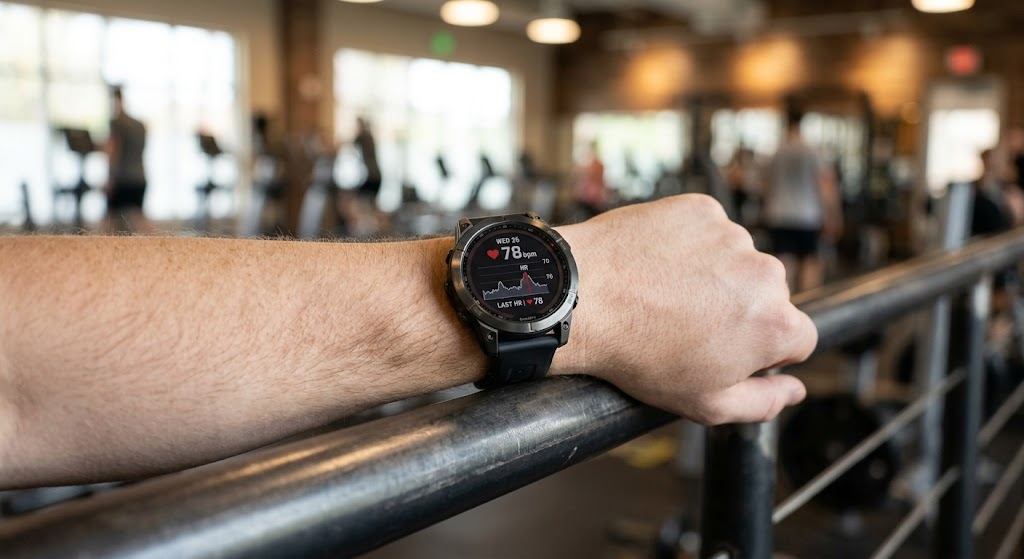
There are a few reliable ways to estimate your Zone 2 range, and none of them require expensive lab testing.
1. The percentage of maximum heart rate method Estimate max heart rate using 220 minus your age, then calculate 60 to 70 percent of that number. A 40 year old would estimate a max heart rate of 180, placing Zone 2 between roughly 108 and 126 beats per minute. This formula is a rough estimate, not a precise measurement, so treat it as a starting point.
2. The Karvonen (heart rate reserve) method This method factors in your resting heart rate for a more personalized number. Subtract resting heart rate from max heart rate, multiply by 0.6 and 0.7, then add resting heart rate back in. It tends to be more accurate for people who are already reasonably fit.
3. The talk test If you can speak in full sentences but would struggle to sing, you are likely in an aerobic training zone consistent with Zone 2. This method is not exact, but it is genuinely useful when you do not have a heart rate monitor.
4. Rate of perceived exertion (RPE) On a scale of 1 to 10, Zone 2 generally sits around a 3 to 4, described as “light to somewhat hard.” If you finish a session feeling like you could easily do another hour, you were probably in the right range.
How Long Sessions Should Be
Zone 2 sessions typically work best between 30 and 60 minutes. Shorter sessions still offer benefit, but the aerobic adaptations associated with this style of training tend to accumulate with duration, which is part of why many endurance athletes extend sessions well beyond an hour as fitness improves.
For beginners, starting with 20 to 30 minutes, two to three times per week, is a sensible entry point. From a training perspective, consistency matters far more in the early stages than session length.
How Often to Train in Zone 2
Two to four sessions per week is a reasonable range for most people building general fitness. Athletes training for endurance events often perform Zone 2 work far more frequently, sometimes making up 70 to 80 percent of their total training volume, with the remainder dedicated to harder efforts.
A Practical Weekly Example
- Monday: 30 minute brisk incline walk
- Wednesday: 35 minute stationary bike session
- Friday: 30 minute easy jog or walk-jog combination
- Sunday: 40 minute steady cycling or rowing session
This is not a rigid prescription. Swapping modalities based on what is accessible to you, whether that is walking, cycling, swimming, or an elliptical machine, is entirely appropriate.
Common Mistakes Beginners Make
One mistake I often see beginners make is training too hard during what is supposed to be an easy session. Ego pace creeps in, heart rate drifts into Zone 3, and the intended aerobic benefit is partially lost.
Other common errors include skipping a proper warm up, relying on outdoor terrain that forces unintentional intensity spikes, and abandoning the method after a week because progress does not feel dramatic.
Zone 2 Compared With Other Cardio Intensities
| Zone | Approx % Max HR | Feeling | Typical Use |
| Zone 1 | 50 to 60% | Very easy | Recovery |
| Zone 2 | 60 to 70% | Conversational | Aerobic base |
| Zone 3 | 70 to 80% | Moderately hard | Tempo work |
| Zone 4 to 5 | 80%+ | Hard to max effort | Intervals |
Real World Example

A widely referenced training philosophy in endurance sport is the “80/20” approach, where roughly 80 percent of training volume happens at low, Zone 2 style intensity, and only 20 percent happens at higher intensities.
This approach, popularized by coach and author Matt Fitzgerald, is based on observed training patterns among elite distance runners, cyclists, and triathletes, many of whom spend the majority of their weekly volume at an easy, conversational pace rather than constantly training hard.
FAQs
What heart rate is considered Zone 2 training?
Zone 2 generally falls between 60 and 70 percent of your estimated maximum heart rate, though the exact number varies based on age, fitness level, and calculation method.
How do I calculate my Zone 2 heart rate zone without a lab test?
Use the 220 minus age formula for an estimated max heart rate, then calculate 60 to 70 percent of that number. The talk test and RPE scale are useful backup methods if you do not have a heart rate monitor.
How long should a Zone 2 training session last?
Most Zone 2 sessions run between 30 and 60 minutes. Beginners can start with 20 to 30 minutes and gradually extend duration as fitness improves.
How many days a week should I do Zone 2 training?
Two to four sessions per week works well for general fitness. Endurance athletes often train in Zone 2 more frequently as part of a broader weekly plan.
Can I do Zone 2 training without a heart rate monitor?
Yes. The talk test and perceived exertion scale are both reliable, low cost alternatives that many people use successfully.
Is Zone 2 training the same thing as low intensity steady state cardio?
They overlap significantly. Zone 2 training is essentially a heart rate defined version of steady state cardio performed at a specific aerobic intensity.
How long does it take to build an aerobic base with Zone 2 training?
Meaningful aerobic adaptations are commonly reported over a period of several weeks to a few months of consistent training, though individual timelines vary based on starting fitness level and training frequency.
Conclusion
Zone 2 training is not about pushing hard, it is about training smart and consistently at an intensity your body can sustain and adapt to over time.
Once you understand how to estimate your zone, whether through heart rate math, the talk test, or perceived exertion, the method becomes remarkably simple to apply.
Start with two or three sessions this week, keep the effort conversational, and let the aerobic base build gradually rather than forcing it.